


27 Feb Associations of Citizens: Shrinking Civic Space Report – Serbia 2019
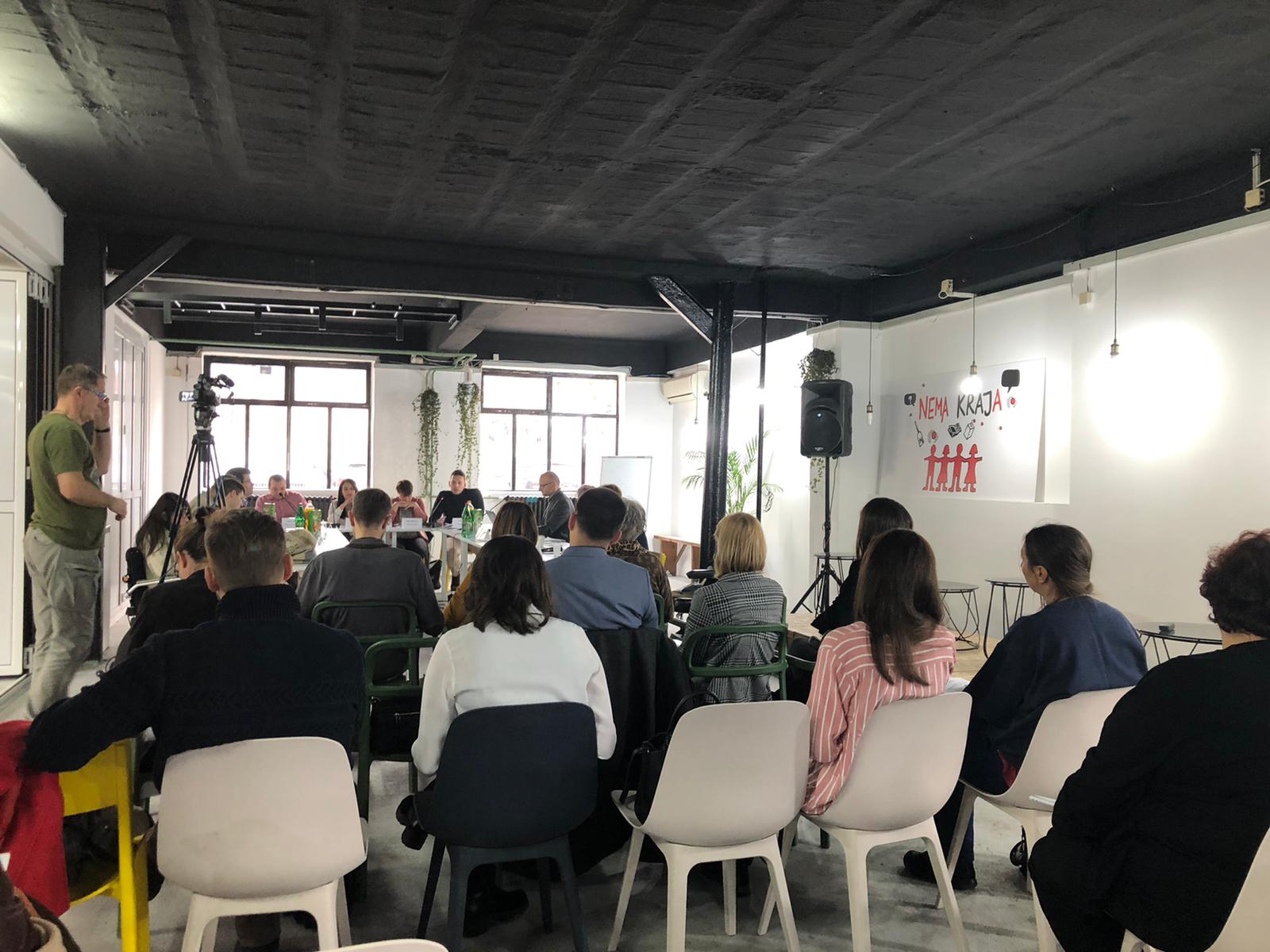
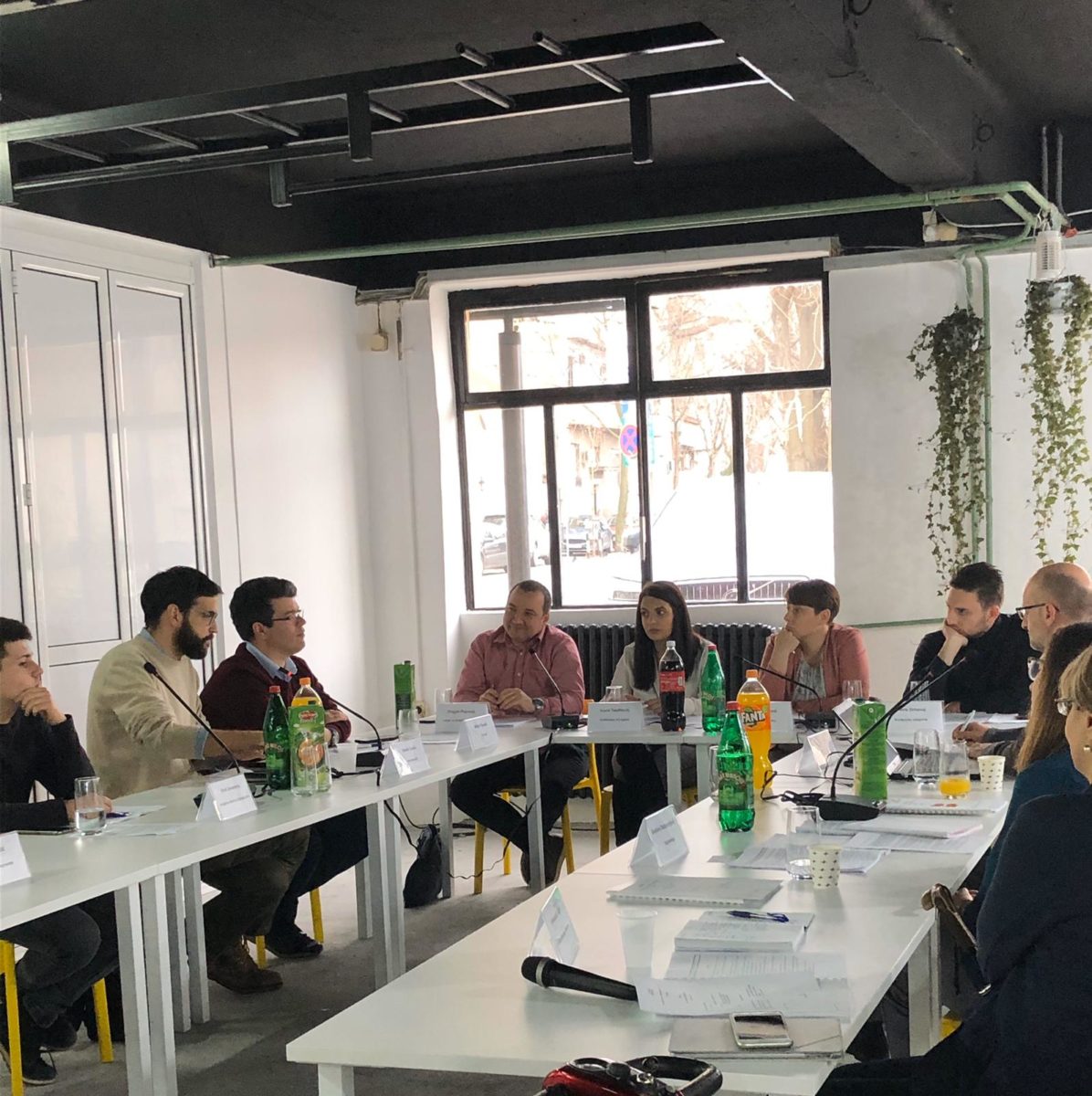 Belgrade, February 27, 2020 – Civic Initiatives presented today the Report on Shrinking Civic Space For the Activities of Civil Society Organizations for 2019. The report points to key issues in the areas of fundamental rights and freedoms, in particular the right of association, expression and assembly, as well as the involvement of the civil sector in the policy and decision-making process.
The report points to the worrying practice of violation of freedom of expression, primarily through tabloid campaigns against the media and journalists who do their job professionally. It is pointed out that the problem gained weight due to the fact that the holders of the highest public functions and representatives of the governing structures participate in these campaigns, but primarily due to the absence of reactions from the competent authorities. Recalling that 2019 was marked by a large number of protests by citizens, the report indicates that the key shortcomings of the laws governing the area have not yet been eliminated, primarily in terms of regulating spontaneous gatherings but also excessive fines for organizers and participants. Report also points to an attempt to dissuade citizens from activism by initiating numerous misdemeanor proceedings and imposing high fines.
When it comes to freedom of association, the report highlights the danger that threatens civil society due to the creation of a parallel sector embodied in so-called GONGO organizations. The purpose of establishing these “governmental non-governmental organizations” is primarily to extract money from the national and local budgets through competitions for co-financing projects, but also to discredit the relevant non-governmental organizations. The most dangerous example of that practice is the case of the campaign against prosecutor Goran Ilić, against whom the Republic Public Prosecutor Zagorka Dolovac initiated disciplinary proceedings, only on the basis of accusations by one such association.
 The report also emphasizes the harmfulness of not holding public hearings and passing important laws without prior dialogue with all relevant partners, as was done in the case of the adoption of amendments to the Criminal Code and actions related to the Law on Financial Support to Families with Children. The lack of dialogue is highlighted as one of the main reasons for the poor quality of the adopted solutions in some legal acts.
The general assessment is that the position of civil society organizations is difficult due to the fact that due to the lack of political dialogue, the civil sector has been assigned the role of a political opponent that the government should deal with. The report concludes that due to the deep political impotence and impotence of institutions, the role of civil society organizations is of great importance for the preservation of democratic procedures and values, and that this role will be even more important in the coming period.
Download the report